

Ureteropelvic Junction Obstruction
While more common in children (1 in 1,000–1,500 births), it also occurs in adults. Males are significantly more affected than females.
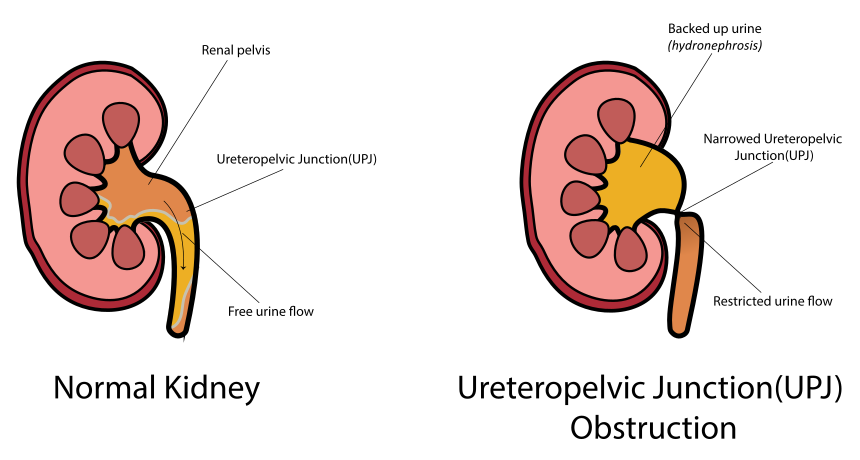
Ureteropelvic junction (UPJ) obstruction is a blockage where the renal pelvis meets the ureter, causing urine backup (hydronephrosis), kidney swelling, and potential damage.
Causes
Most cases are congenital, resulting from structural narrowing during development. However, the condition can also be acquired in adulthood due to scar tissue, kidney stones, or external compression from blood vessels or tumors.
Side affected
Common symptoms
Common symptoms include intermittent abdominal or flank (side) pain, urinary tract infections (UTIs), blood in the urine, nausea, and vomiting. Pain may worsen after consuming large amounts of fluids, caffeine, or alcohol. In infants, an abdominal mass may sometimes be felt.
While many children are asymptomatic, some may experience pain, nausea, vomiting, or recurrent UTIs.
Diagnosis and treatment
The condition is often detected on prenatal ultrasound. In older children and adults, it is typically diagnosed with imaging such as ultrasound, CT scans, or MAG3 renal scans, which may show hydronephrosis (kidney swelling).
Many cases—particularly in newborns—improve without intervention. However, severe or persistent cases may require surgical correction, most commonly through robotic or laparoscopic pyeloplasty to remove the blockage, a procedure with a success rate greater than 95%.
If you have a UPJ obstruction, it’s essential to discuss your options with your doctors.
To learn more, contact a provider or one of our locations — or schedule an appointment.